Exploring Nutrigenomics: Personalized Nutrition for Optimal Health


Understanding Nutrigenomics
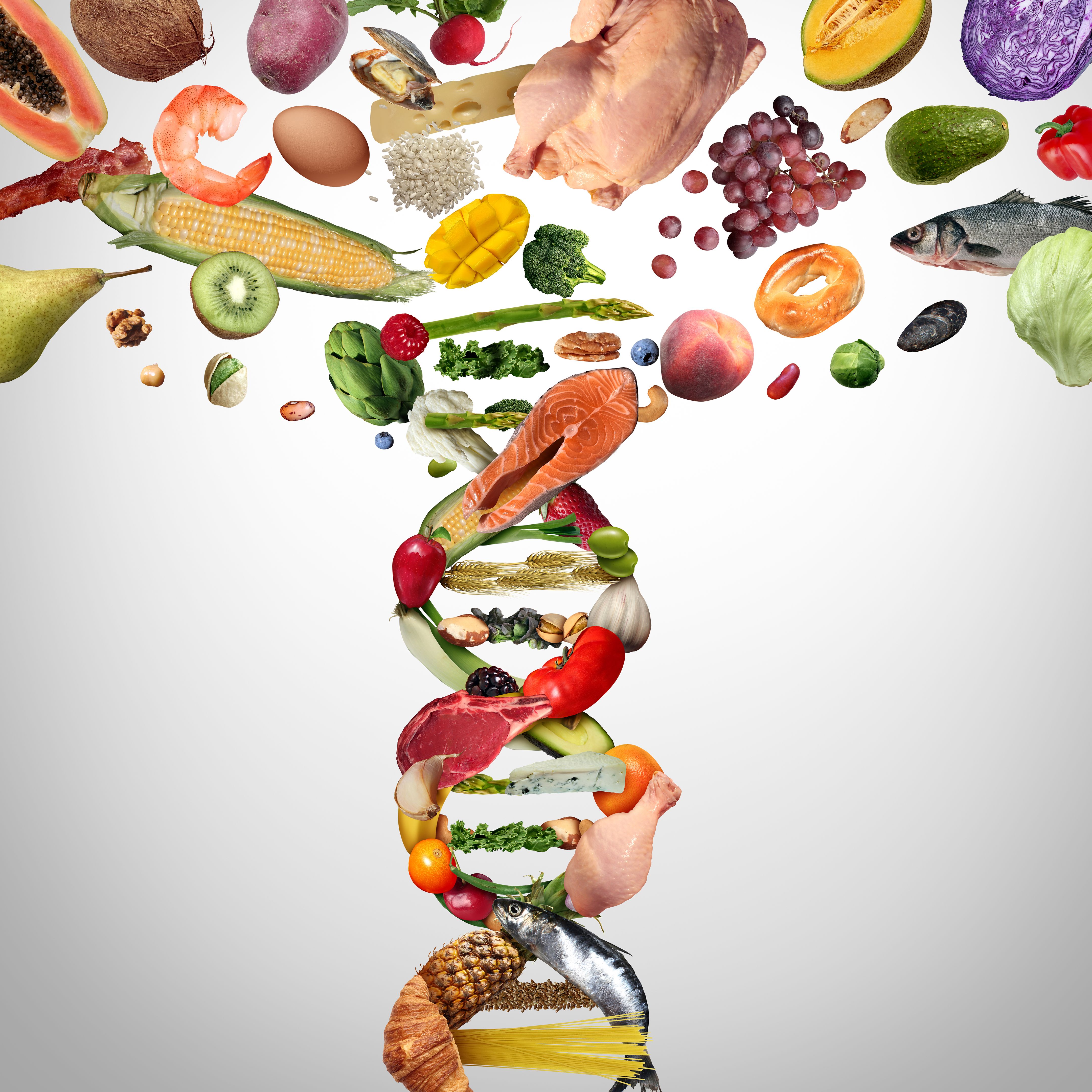
Nutrigenomics is an emerging field of science that examines the interaction between our genes and nutrition. This cutting-edge approach aims to understand how individual genetic variations can affect our response to nutrients and, ultimately, our health. By exploring this relationship, nutrigenomics holds the promise of personalized nutrition plans that are tailored to an individual's genetic makeup.
The concept of nutrigenomics is built on the idea that the food we consume can influence gene expression. This means that certain nutrients can activate or deactivate specific genes, potentially affecting health outcomes. As research in this field grows, the potential for personalized dietary recommendations becomes more feasible.
The Science Behind Nutrigenomics
At its core, nutrigenomics focuses on the interaction between nutrients and genes. Scientists study how different people metabolize food, absorb nutrients, and how these processes are influenced by their genetic code. By examining these interactions, researchers aim to develop personalized dietary guidelines that cater to individual genetic profiles.
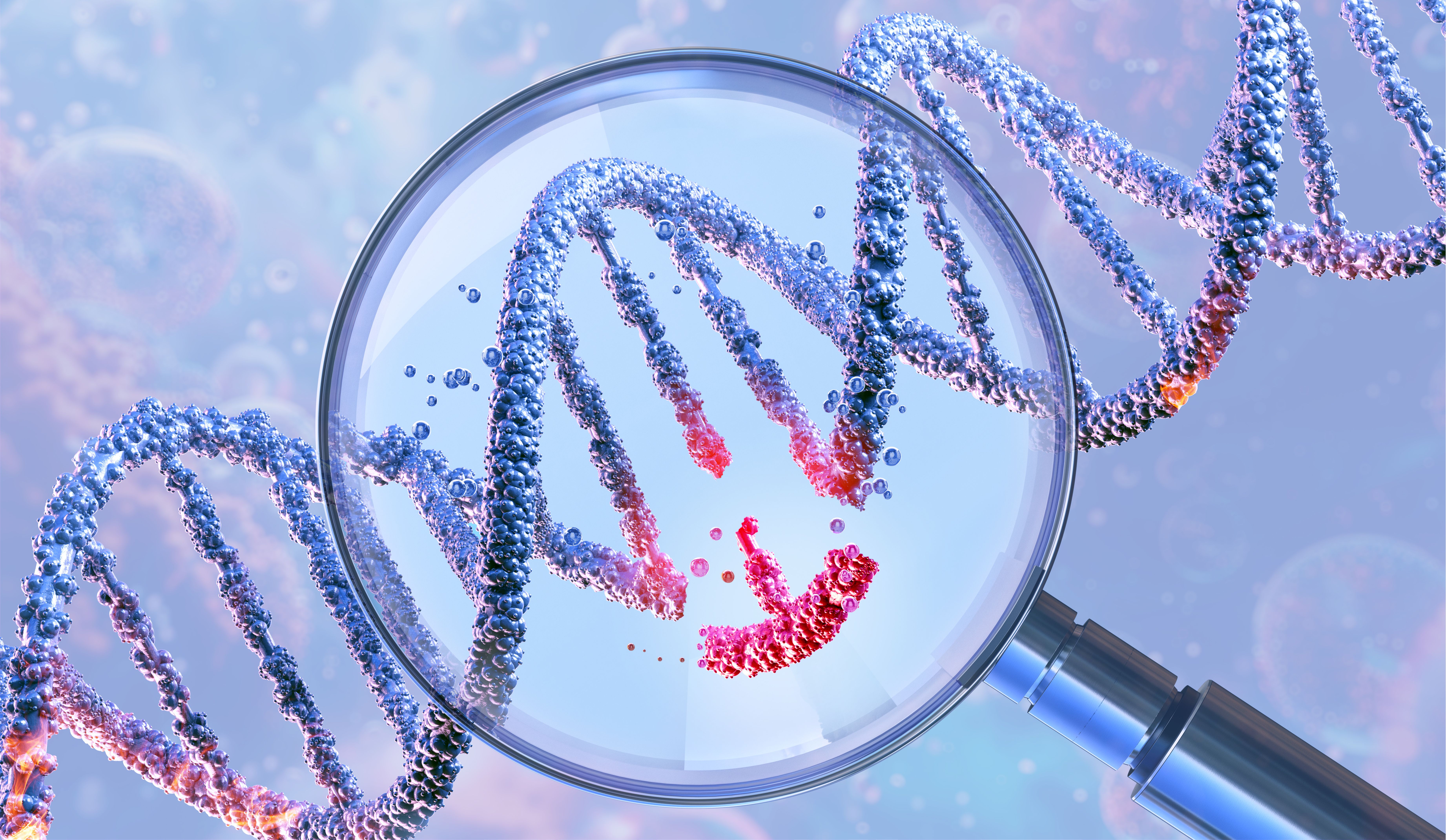
One of the key areas of research in nutrigenomics is identifying genetic markers that predispose individuals to certain health conditions. For example, some people might have a genetic predisposition to high cholesterol, which can be managed through specific dietary changes. Understanding these genetic factors allows for more targeted and effective nutritional interventions.
Benefits of Personalized Nutrition
Personalized nutrition offers several potential benefits. By tailoring dietary recommendations to an individual's genetic makeup, people can optimize their nutrient intake, improve health outcomes, and potentially prevent diseases. This approach moves away from the "one-size-fits-all" dietary guidelines and towards more individualized health care.
Some of the benefits of personalized nutrition include:
- Improved nutrient absorption and metabolism
- Reduced risk of chronic diseases
- Enhanced weight management
- Better management of food intolerances and allergies

Challenges and Considerations
Despite its potential, nutrigenomics faces several challenges. One of the primary concerns is the complexity of human genetics and the many factors that influence health beyond diet alone. Environmental factors, lifestyle choices, and other variables also play significant roles in health outcomes.
Additionally, the field requires more research to fully understand the implications of genetic variations and their interactions with nutrients. Ethical considerations regarding genetic testing and privacy also need to be addressed as this science progresses.
The Future of Nutrigenomics
As technology advances, the future of nutrigenomics looks promising. Affordable genetic testing and more comprehensive research will likely make personalized nutrition more accessible. This could revolutionize how we approach diet and health, leading to more effective and individualized nutrition plans.
Ultimately, nutrigenomics has the potential to transform the food and health industries, paving the way for a future where nutrition is not just about eating well, but eating smartly based on one's genetic blueprint.