Exploring Nutrigenomics: Personalized Nutrition for Optimal Health


Understanding Nutrigenomics
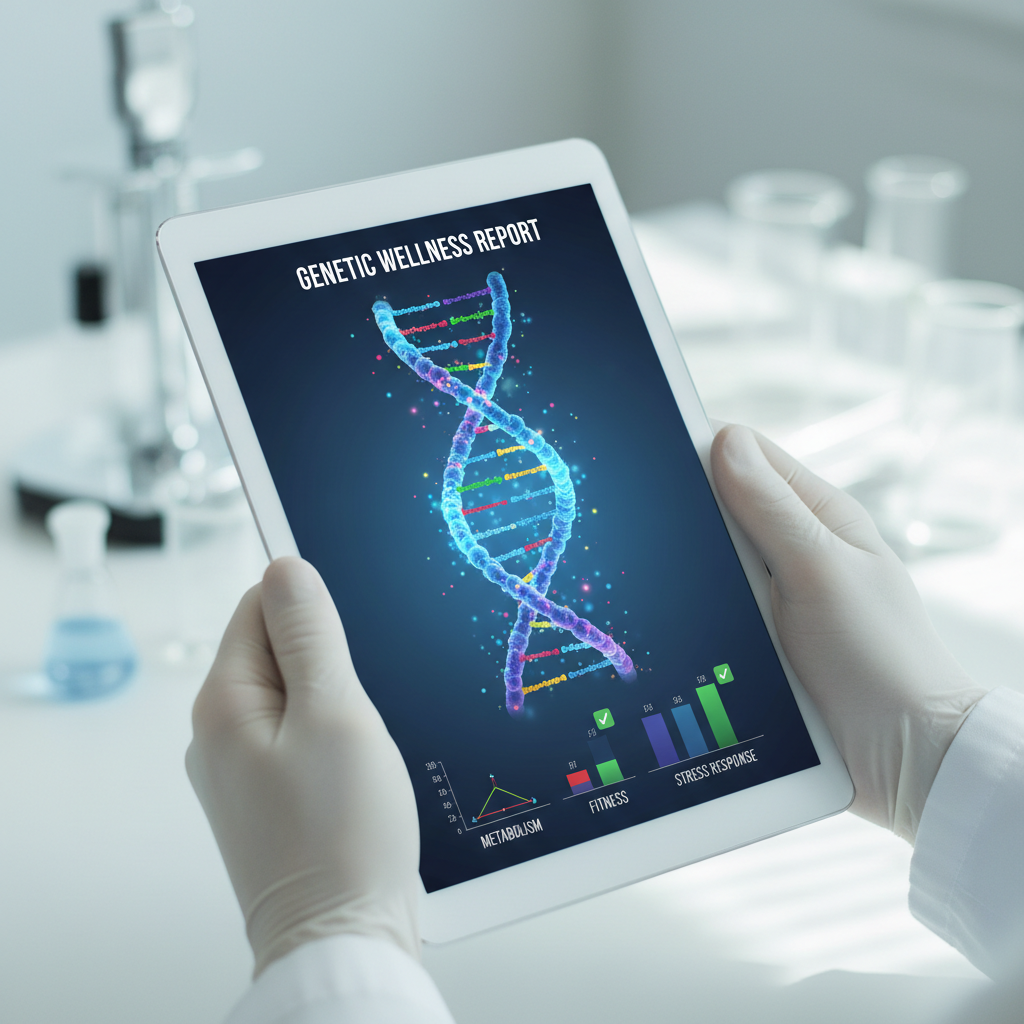
The field of nutrigenomics is revolutionizing the way we approach nutrition and health. By studying the interaction between our genes and nutrients, nutrigenomics offers a personalized approach to diet and wellness. This science aims to understand how different foods affect our genes and how individual genetic makeup influences the way we respond to nutrients.
With the rise of genetic testing, individuals can now gain insights into their unique genetic profiles. This allows for the customization of dietary plans that align with one’s genetic predispositions, leading to optimized health outcomes.

The Science Behind Nutrigenomics
Nutrigenomics is grounded in the concept that our genes can influence our nutritional needs and susceptibility to certain diseases. By examining genetic variations, scientists can identify how these variations affect metabolism, nutrient absorption, and overall health.
For instance, specific genetic markers can indicate a heightened risk for conditions like obesity, diabetes, or heart disease. Understanding these markers enables the development of targeted nutritional strategies to mitigate such risks.
Gene-Nutrient Interactions
At the core of nutrigenomics is the study of gene-nutrient interactions. These interactions can determine the effectiveness of certain diets for different individuals. For example, some people may benefit from a high-protein diet, while others might thrive on a plant-based regimen.
- Genetic variations can affect how we metabolize fats, carbohydrates, and proteins.
- They can influence our needs for vitamins and minerals.
- They can affect our taste preferences and food tolerances.

Benefits of Personalized Nutrition
Personalized nutrition offers numerous advantages. By tailoring dietary recommendations to an individual's genetic profile, it is possible to enhance health outcomes and prevent disease more effectively than with a one-size-fits-all approach.
Furthermore, personalized nutrition can lead to increased motivation and adherence to dietary plans, as individuals receive guidance that is directly relevant to their unique genetic makeup. This approach fosters a deeper understanding of how food choices impact personal health.

Challenges and Considerations
While nutrigenomics holds great promise, it is not without challenges. Ethical considerations regarding data privacy and genetic testing are paramount. It is essential to ensure that genetic information is handled with the utmost confidentiality and used responsibly.
Additionally, the science is still evolving. More research is needed to fully understand the complex interactions between genes and nutrients. As our knowledge expands, so too will the potential for even more refined and effective nutritional strategies.

The Future of Nutrigenomics
The future of nutrigenomics is promising. As technology advances, the ability to analyze genetic data will become more accessible and affordable, paving the way for widespread adoption of personalized nutrition.
Innovations in this field have the potential to transform public health by reducing the prevalence of diet-related diseases and improving overall well-being. With continued research and development, nutrigenomics will likely become an integral part of healthcare and nutrition planning.