Exploring Nutrigenomics: The Future of Personalized Wellness


Understanding Nutrigenomics
Nutrigenomics is an emerging field that explores the intricate relationship between nutrition and genetics. This discipline aims to understand how our genes interact with the food we consume, ultimately influencing our health and wellness. By examining these interactions, nutrigenomics offers the potential for personalized dietary recommendations that cater to an individual's unique genetic makeup.
One of the most exciting aspects of nutrigenomics is its potential to revolutionize the way we approach nutrition. Instead of one-size-fits-all dietary guidelines, we can tailor diets to enhance individual health outcomes, potentially reducing the risk of chronic diseases and improving overall well-being.

The Science Behind Nutrigenomics
At its core, nutrigenomics involves the study of how nutrients affect gene expression. Our genes play a crucial role in determining how our bodies process different nutrients. For instance, some individuals may metabolize fats more efficiently than others due to genetic variations.
This field also investigates how our genetic predispositions can influence our response to certain foods. For example, people with specific gene variants may be more susceptible to conditions like lactose intolerance or gluten sensitivity, allowing for more informed dietary choices.
Key Components of Nutrigenomics
Nutrigenomics is built upon several foundational components:
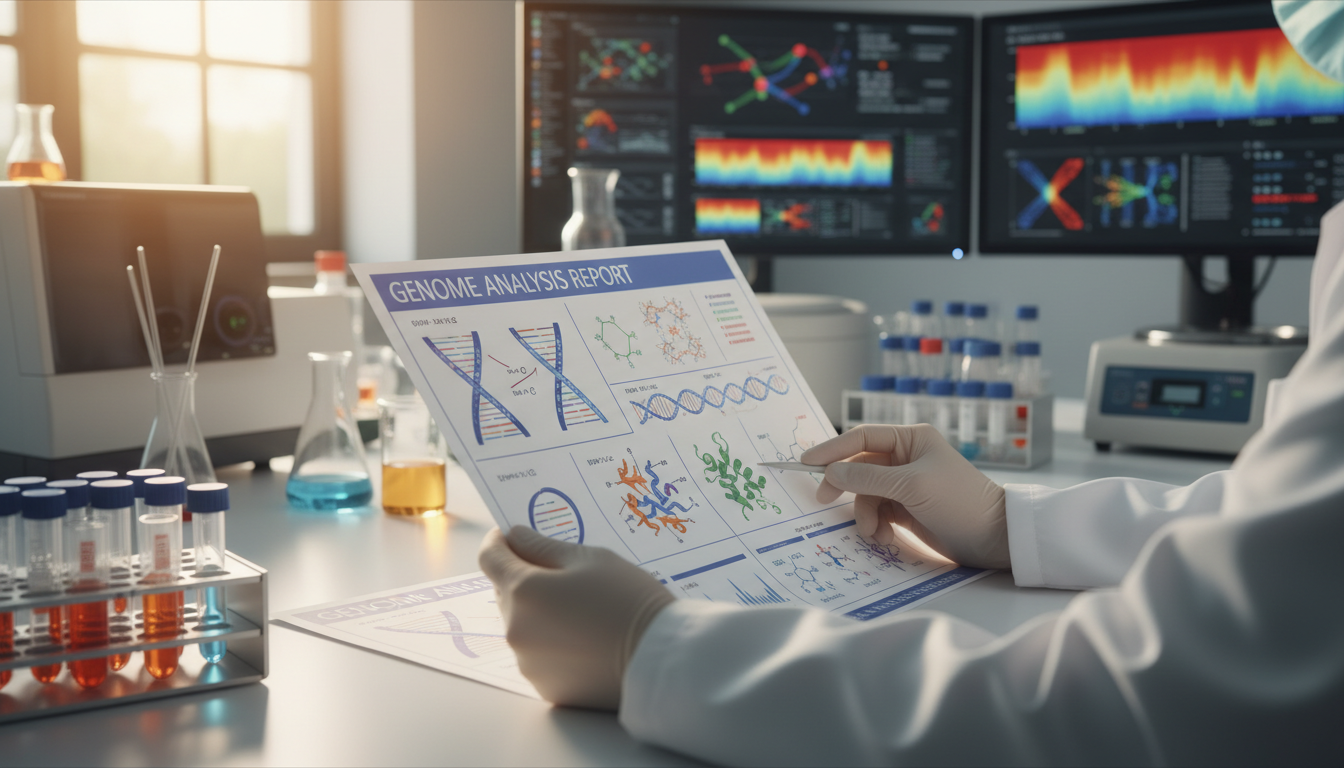
- Genetic Profiling: Analyzing an individual's genetic makeup to identify variations that impact nutrient metabolism.
- Dietary Recommendations: Creating personalized nutrition plans based on genetic insights.
- Health Outcomes: Monitoring the effects of tailored diets on health and disease prevention.

Benefits of Personalized Nutrition
Personalized nutrition can provide numerous benefits, from optimizing weight management to enhancing athletic performance. By aligning dietary choices with genetic predispositions, individuals can achieve better health outcomes. This approach can also help in managing chronic conditions such as diabetes, heart disease, and obesity more effectively.
Moreover, personalized nutrition can enhance the enjoyment of food. By understanding genetic sensitivities and preferences, individuals can make informed choices that align with their tastes and health goals, fostering a more positive relationship with food.
Challenges and Considerations
Despite its promise, nutrigenomics faces several challenges. The complexity of genetic interactions and the influence of environmental factors make it difficult to establish definitive dietary guidelines. Additionally, ethical considerations around genetic data privacy and accessibility must be addressed to ensure equitable access to personalized nutrition.
The Future of Nutrigenomics
The future of nutrigenomics is promising, with ongoing research continually advancing our understanding of gene-diet interactions. As technology improves, the accuracy and affordability of genetic testing are expected to increase, making personalized nutrition more accessible to the general public.
Innovations in artificial intelligence and big data are also playing a role in enhancing nutrigenomic applications. These technologies can analyze complex datasets to provide deeper insights into how genetics and nutrition interact, paving the way for more sophisticated and effective dietary interventions.
In conclusion, nutrigenomics represents a significant shift in our approach to wellness. By embracing personalized nutrition, we can move towards a future where diets are not only healthier but also tailored to fit the unique genetic profiles of individuals, leading to improved health outcomes across the globe.