How to Prepare for Seasonal Allergies: Wellness Tips for Spring


Understanding Seasonal Allergies
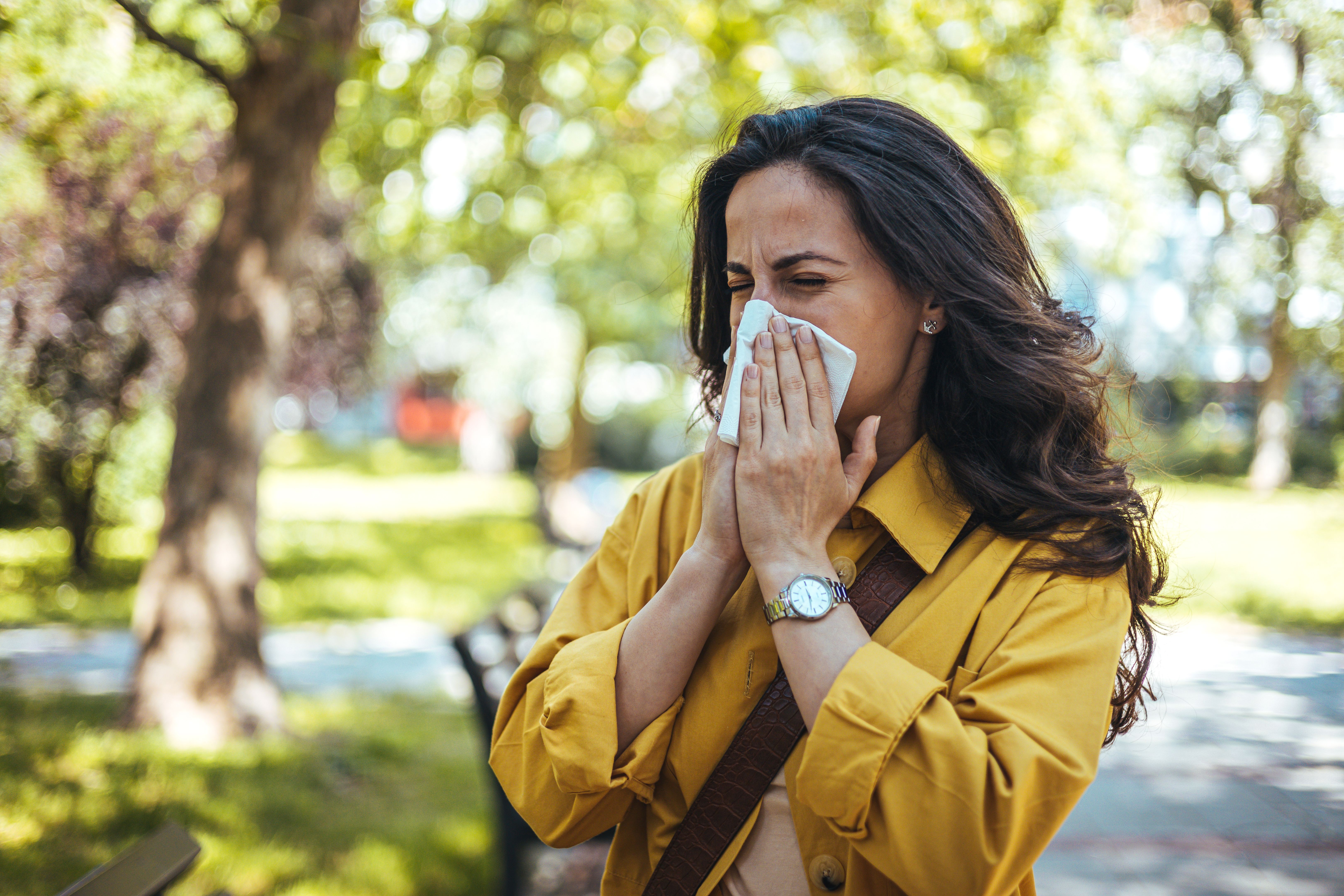
Spring is a beautiful time of year, but for many, it also brings the challenge of seasonal allergies. As flowers bloom and trees pollinate, the air fills with allergens like pollen, mold spores, and dust. These allergens can trigger symptoms such as sneezing, itching, and congestion. Understanding the causes is the first step to managing these symptoms effectively.
Recognize Your Triggers
Identifying what specifically triggers your allergies can help you avoid unnecessary exposure. Common spring allergens include tree pollen, grass pollen, and mold. Keeping a diary of your symptoms and the conditions in which they occur can provide insights. Consulting with an allergist for testing can also be beneficial.
Start Medication Early
Don't wait for symptoms to become severe. Begin taking allergy medications, such as antihistamines or nasal corticosteroids, a few weeks before the allergy season starts. This proactive approach can help minimize the impact of allergens on your system. Always consult with a healthcare provider to choose the right medication for you.

Implementing Lifestyle Changes
Maintain a Clean Environment
Keeping your living space clean is crucial in reducing allergens. Regularly vacuum your home with a HEPA filter vacuum cleaner, wash bedding in hot water weekly, and keep windows closed during high pollen days. Consider using an air purifier to help trap pollen and other allergens.
Boost Your Immune System
Supporting your immune system can help your body handle allergens more effectively. A balanced diet rich in fruits and vegetables provides essential vitamins and minerals. Foods high in omega-3 fatty acids, like fish, and antioxidant-rich foods, such as berries, can be particularly beneficial.

Natural Remedies and Techniques
Try Nasal Irrigation
Nasal irrigation with a saline solution can help clear allergens and mucus from your nasal passages. This simple practice can provide immediate relief from nasal congestion and irritation. Be sure to use distilled or boiled and cooled water to ensure safety.
Consider Herbal Supplements
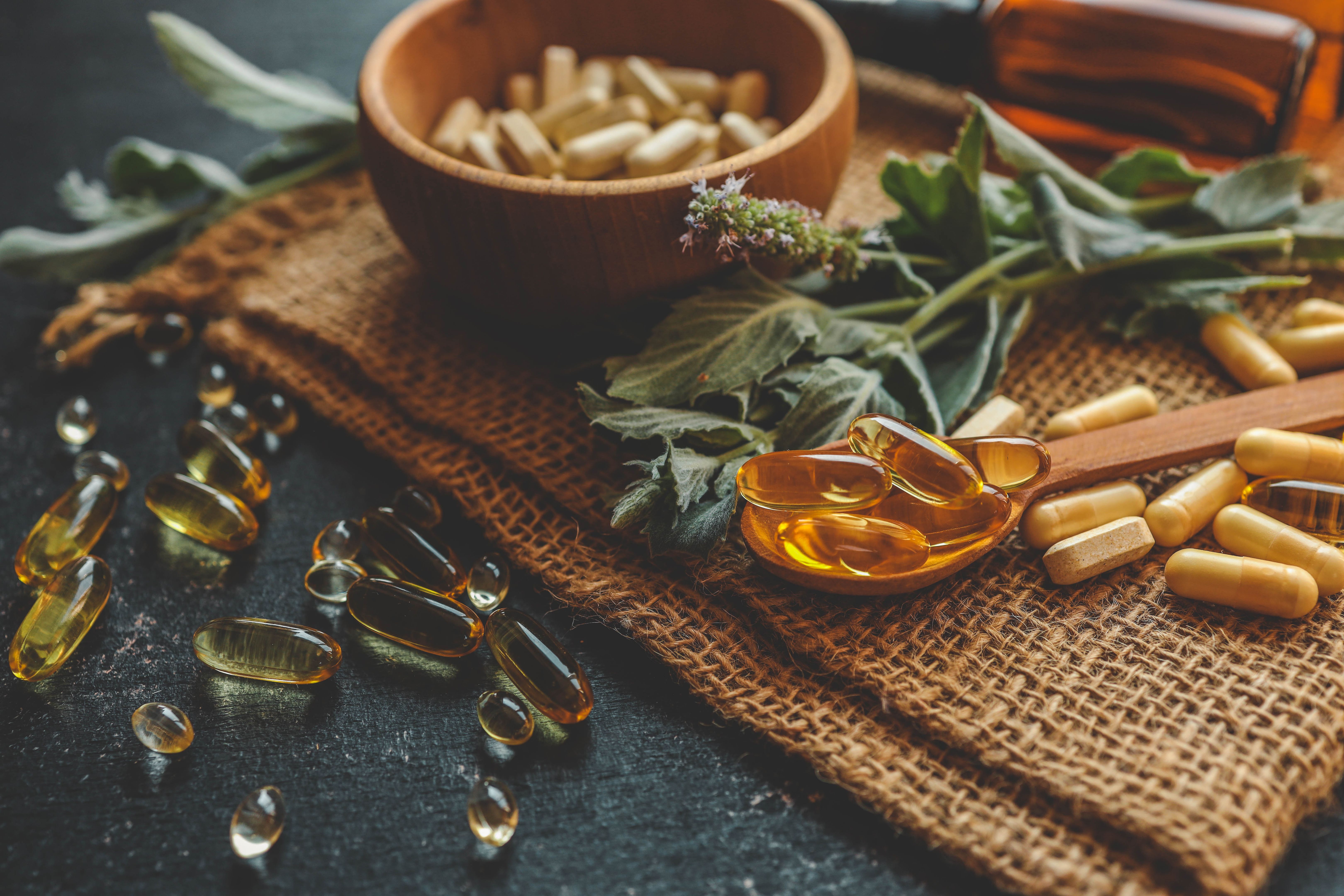
Herbal supplements like butterbur and quercetin have shown promise in alleviating allergy symptoms. However, it's important to consult with a healthcare provider before starting any new supplement to ensure it won't interfere with any existing medications.
Stay Informed and Prepared
Stay informed about pollen counts in your area by checking local forecasts. Plan outdoor activities when pollen levels are lower, typically in the late afternoon or after rainfall. Wearing sunglasses and a hat can also help keep pollen out of your eyes and hair.
By taking these proactive steps, you can enjoy the beauty of spring while minimizing the impact of seasonal allergies. Prioritize your health and well-being, and embrace the season with confidence.