The Future of Weight Loss: Innovations in Nutrigenomics


Understanding Nutrigenomics
The field of nutrigenomics is revolutionizing the way we approach weight loss by exploring the intricate relationship between nutrition and our genes. This cutting-edge science seeks to understand how different foods interact with our genetic makeup, potentially influencing our weight, health, and overall well-being.
By analyzing individual genetic profiles, nutrigenomics can offer personalized dietary recommendations. This approach shifts away from the one-size-fits-all diet plans, focusing instead on what works best for each unique individual.
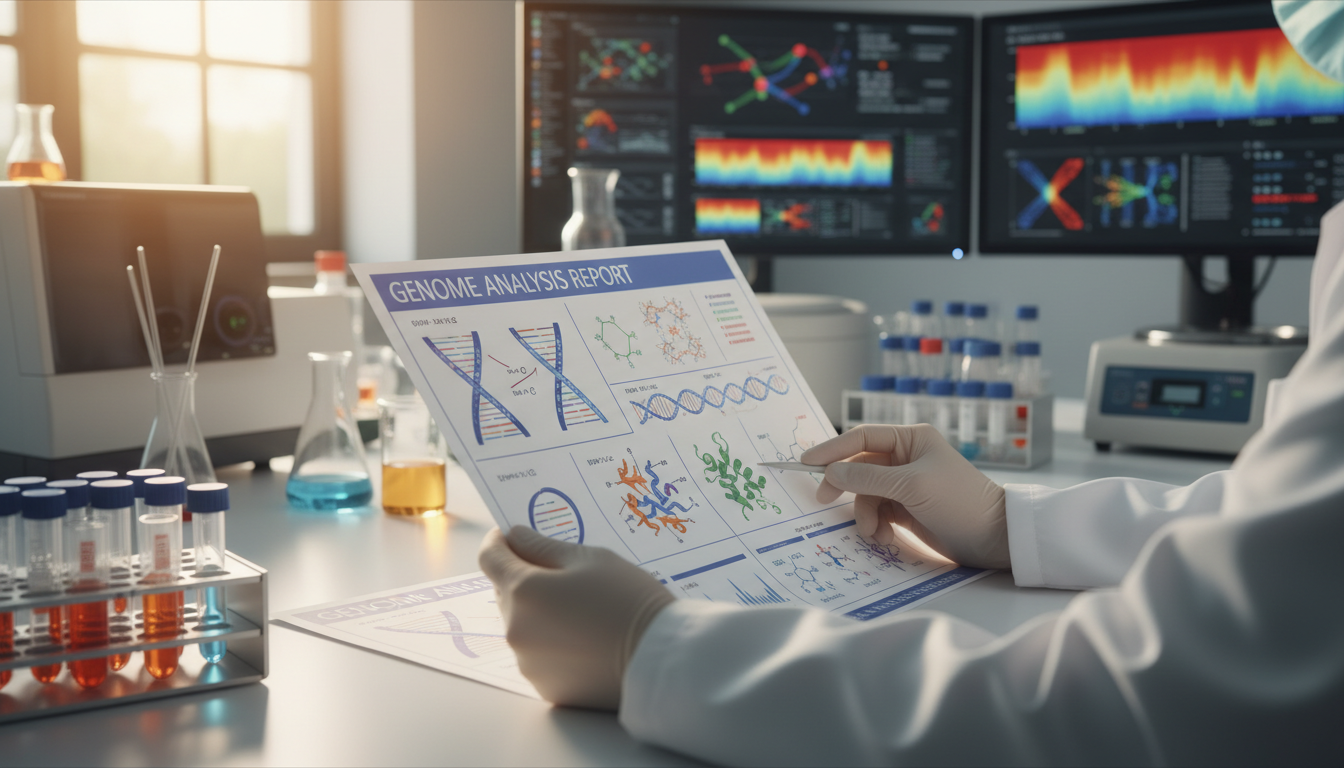
The Role of DNA in Diet
Our DNA plays a crucial role in determining how our bodies process different nutrients. For example, some people may metabolize carbohydrates more efficiently than others, while certain individuals might be predisposed to store fat. Nutrigenomics aims to uncover these genetic predispositions and tailor diets accordingly.
By understanding these genetic factors, individuals can make informed choices about their diets, potentially leading to more effective weight loss and improved health outcomes. This personalized approach is becoming increasingly accessible as DNA testing becomes more affordable and widespread.

Innovations Driving Change
The advancements in technology are playing a pivotal role in the development of nutrigenomics. Tools such as genome sequencing and bioinformatics are enabling scientists to delve deeper into the complex interactions between genes and nutrition.
Additionally, wearable technology and mobile apps are making it easier for individuals to track their dietary choices and receive real-time feedback based on their genetic profiles. These innovations are empowering people to take control of their health like never before.

Benefits of Nutrigenomics in Weight Loss
The potential benefits of nutrigenomics in weight loss are substantial. Personalized nutrition plans can lead to more efficient weight management, reduced risk of chronic diseases, and enhanced overall health. By understanding how your body specifically reacts to different foods, you can avoid the trial-and-error approach often associated with dieting.
Moreover, nutrigenomics encourages a more balanced and sustainable approach to eating. Instead of restrictive diets, individuals can enjoy a variety of foods that align with their genetic makeup, making long-term adherence more achievable.
Challenges and Considerations
While the promise of nutrigenomics is exciting, there are challenges to consider. The science is still in its early stages, and more research is needed to fully understand the complex interactions between genes and nutrition. Additionally, ethical considerations regarding genetic privacy must be addressed as this field continues to evolve.
Consumers should approach nutrigenomic solutions with a critical eye, ensuring they choose reputable providers and remain informed about the latest scientific developments. Collaboration between scientists, healthcare providers, and regulatory bodies will be essential in navigating these challenges.

The Future of Personalized Nutrition
The future of weight loss is undoubtedly intertwined with the advancements in nutrigenomics. As research continues to unfold, we can expect even more precise and effective strategies for managing weight and promoting health. The integration of AI and machine learning could further enhance our ability to analyze genetic data and refine dietary recommendations.
Ultimately, the goal of nutrigenomics is to empower individuals to make informed decisions about their health, leading to happier, healthier lives. As we continue to unlock the secrets of our genetic code, the possibilities for personalized nutrition are virtually limitless.