The Role of Nutrigenomics in Personalized Nutrition Plans


Understanding Nutrigenomics
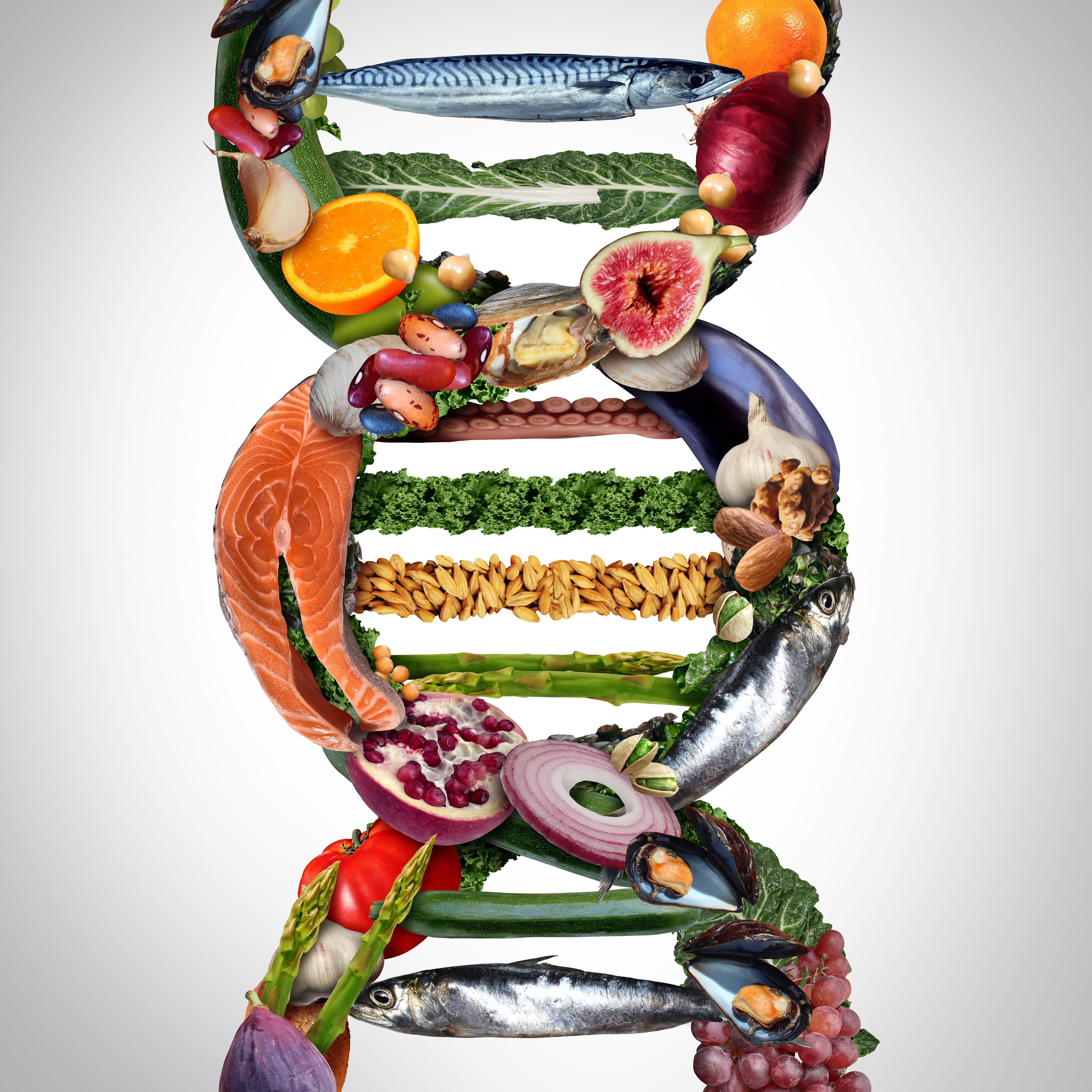
Nutrigenomics is a fascinating field that explores the interaction between nutrition and genes. It seeks to understand how our genetic makeup can influence our response to different nutrients and, conversely, how nutrients can affect gene expression. This personalized approach to nutrition is revolutionizing how we think about diet and health.
The fundamental principle of nutrigenomics is that each individual has a unique genetic blueprint that affects their nutritional needs. By examining this blueprint, nutritionists can tailor dietary plans that align with one's genetic predispositions, potentially improving health outcomes and preventing diseases.
The Science Behind Nutrigenomics
The science of nutrigenomics involves analyzing genes related to metabolism, nutrient absorption, and cellular health. Researchers focus on identifying gene variants that may affect how the body processes specific nutrients. For instance, certain gene variations might influence how efficiently one metabolizes fats or carbohydrates.
This information can be crucial for creating customized nutrition plans. By understanding an individual's genetic predispositions, it becomes possible to recommend dietary adjustments that optimize health and well-being. This approach marks a shift from generic dietary guidelines to more personalized nutrition strategies.
Benefits of Personalized Nutrition Plans
Personalized nutrition plans offer numerous advantages. Here are some key benefits:
- Improved Health Outcomes: Tailored diets can help manage or prevent chronic diseases by addressing individual genetic risk factors.
- Enhanced Nutrient Absorption: Understanding genetic variations can optimize nutrient intake, ensuring better absorption and utilization.
- Increased Dietary Satisfaction: Personalized plans can align with personal preferences and tolerances, making it easier to adhere to healthy eating habits.
By focusing on the unique needs of each person, nutrigenomics has the potential to transform dietary recommendations and health management.

Challenges and Considerations
Despite its promise, nutrigenomics faces several challenges. The complexity of genetic interactions means that the science is still evolving. There is also the issue of accessibility, as genetic testing and personalized plans can be costly. Additionally, ethical considerations about genetic data privacy must be addressed.
Moreover, not all genetic influences are fully understood, and environmental factors such as lifestyle and stress can also play a significant role in health. Therefore, while nutrigenomics offers exciting possibilities, it should be integrated with a comprehensive approach to health and wellness.
The Future of Nutrigenomics
The future of nutrigenomics looks promising, with ongoing research and technological advancements paving the way for more accessible and accurate applications. As the field grows, it may become a standard component of healthcare, offering more people the opportunity to benefit from personalized nutrition.
With further understanding and integration into routine health practices, nutrigenomics could significantly enhance the quality of life and pave the way for a healthier future. Embracing this innovative approach could lead to more effective dietary interventions tailored to individual genetic profiles.