The Science Behind Nutrigenomics: Personalized Nutrition for Optimal Health


Understanding Nutrigenomics
Nutrigenomics is an emerging field that explores the relationship between nutrition and the human genome. It aims to understand how different foods interact with specific genes to influence health. By examining these interactions, scientists can develop dietary recommendations tailored to an individual's genetic makeup.
The Role of Genes in Nutrition
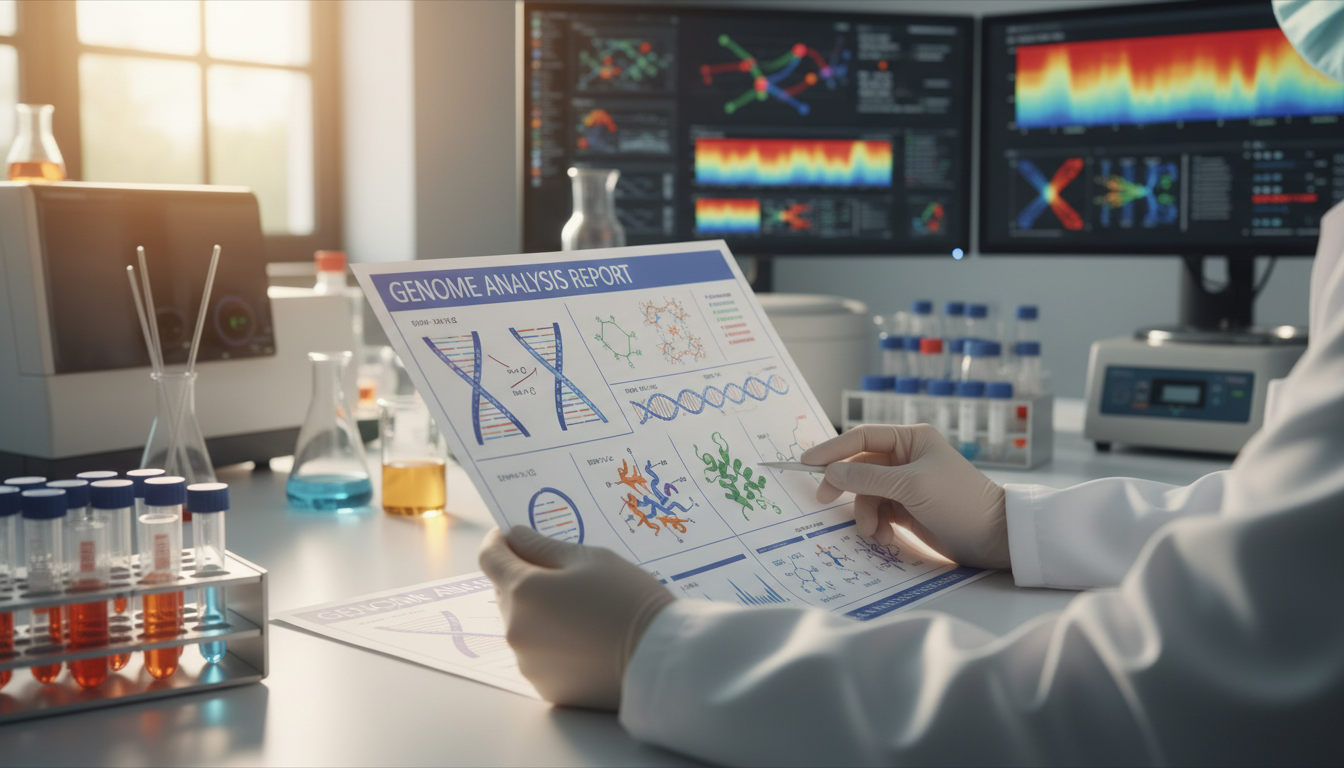
Our genes play a crucial role in determining how we metabolize nutrients, respond to different foods, and manage our overall health. Some people may have genetic variants that make them more susceptible to conditions like obesity or diabetes. Nutrigenomics seeks to identify these genetic factors and address them through personalized nutrition.
For instance, individuals with a certain variant of the FTO gene may benefit from a diet low in saturated fats to reduce obesity risk. This personalized approach can lead to more effective health strategies.
How Nutrigenomics Works
Nutrigenomics involves a few key steps:
- Genetic Testing: Individuals undergo genetic testing to identify variants that affect nutritional needs.
- Data Analysis: The collected genetic data is analyzed to determine how specific genes interact with nutrients.
- Personalized Recommendations: Based on the analysis, tailored dietary guidelines are created to optimize health.

Benefits of Personalized Nutrition
Personalized nutrition offers numerous benefits, including:
- Improved Health Outcomes: By aligning diet with genetic predispositions, individuals can potentially reduce the risk of chronic diseases.
- Enhanced Nutritional Efficiency: Understanding genetic needs allows for more efficient nutrient absorption and utilization.
- Motivation and Engagement: Customized plans are often more motivating, as they provide clear, individualized benefits.
Challenges and Considerations
Despite its promise, nutrigenomics faces several challenges. The complexity of genetic interactions means that not all dietary recommendations will be straightforward. Moreover, ethical concerns around genetic privacy and accessibility of testing need to be addressed.
The Future of Nutrigenomics
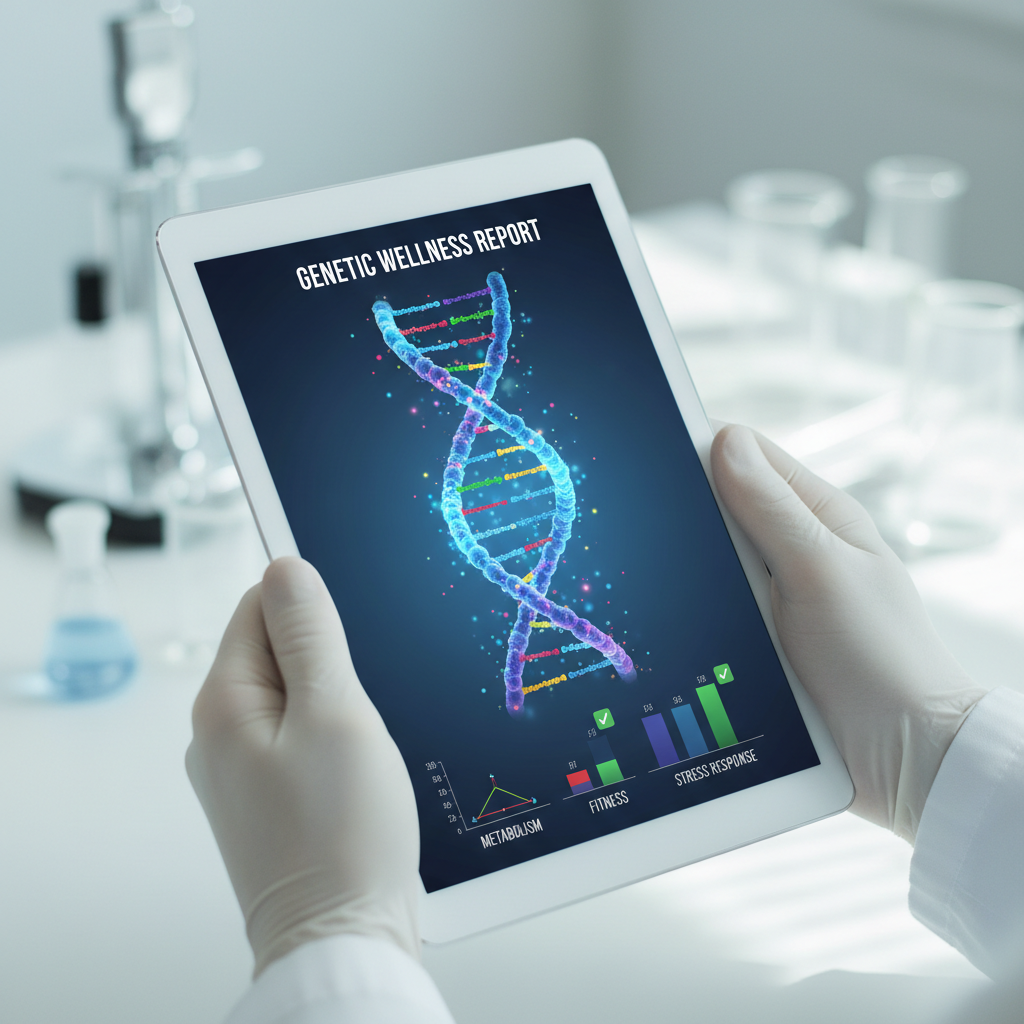
The future of nutrigenomics is bright, with ongoing research and technological advancements paving the way for more comprehensive insights. As our understanding of the human genome grows, so too will the ability to tailor nutrition to individual needs.
Ultimately, nutrigenomics holds the potential to revolutionize how we approach diet and health, making personalized nutrition a cornerstone of optimal health strategies.