Travel Health Essentials: How to Stay Safe and Healthy on the Go


Introduction to Travel Health
Traveling can be an exhilarating experience, but it also comes with its own set of health challenges. Whether you're jet-setting across continents or backpacking closer to home, staying safe and healthy should be a top priority. With the right preparation, you can minimize risks and focus on enjoying your adventures.
Essential Vaccinations and Medications
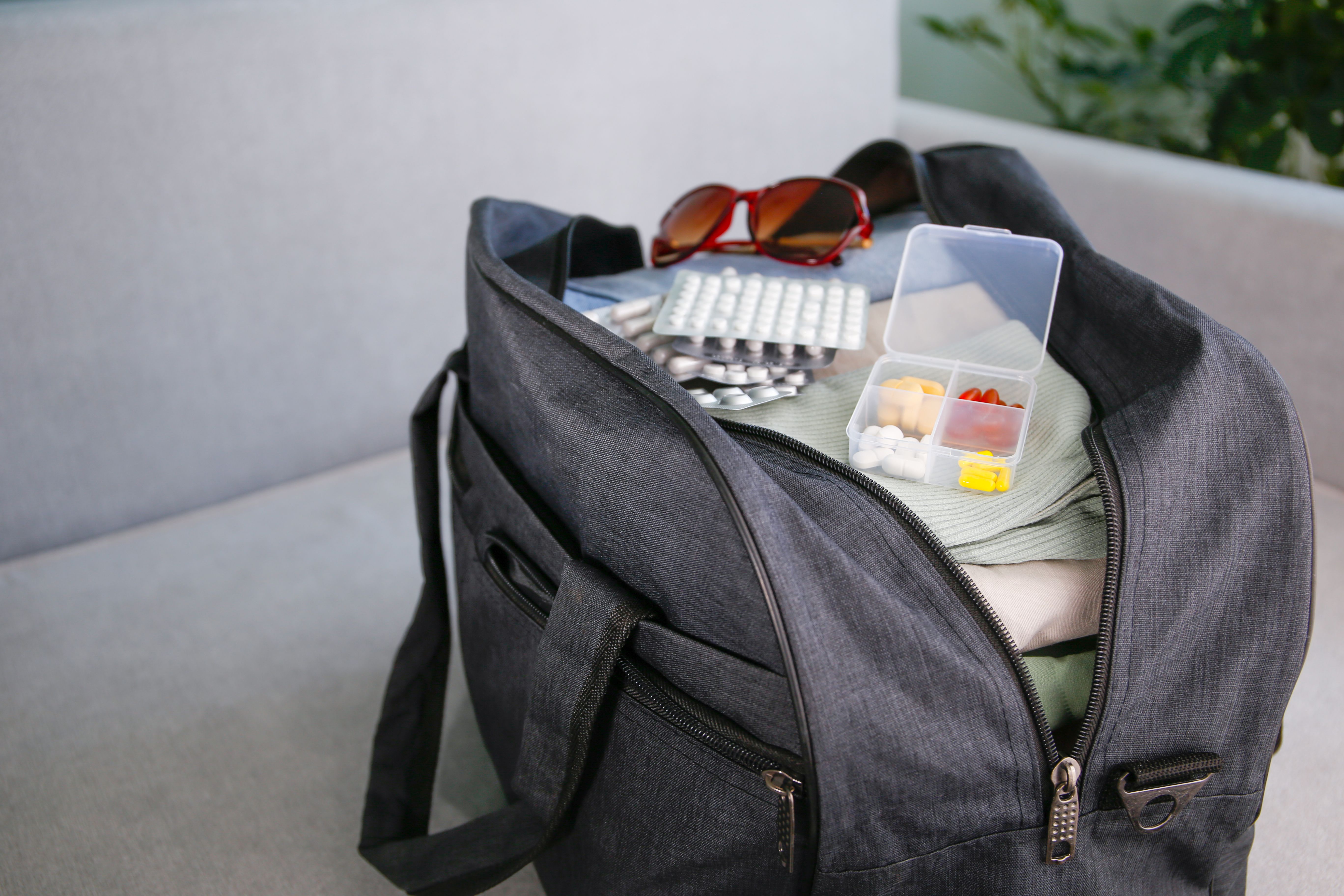
Before embarking on your journey, it's crucial to research the necessary vaccinations for your destination. Some countries require specific vaccines for entry, while others might just recommend them. Visit a healthcare provider well in advance to ensure you’re up-to-date with all necessary immunizations.
Additionally, consider packing a basic medical kit. Include essentials like pain relievers, antihistamines, and any prescription medications. Having these on hand can save you from unnecessary stress during your travels.
First Aid Kit Must-Haves
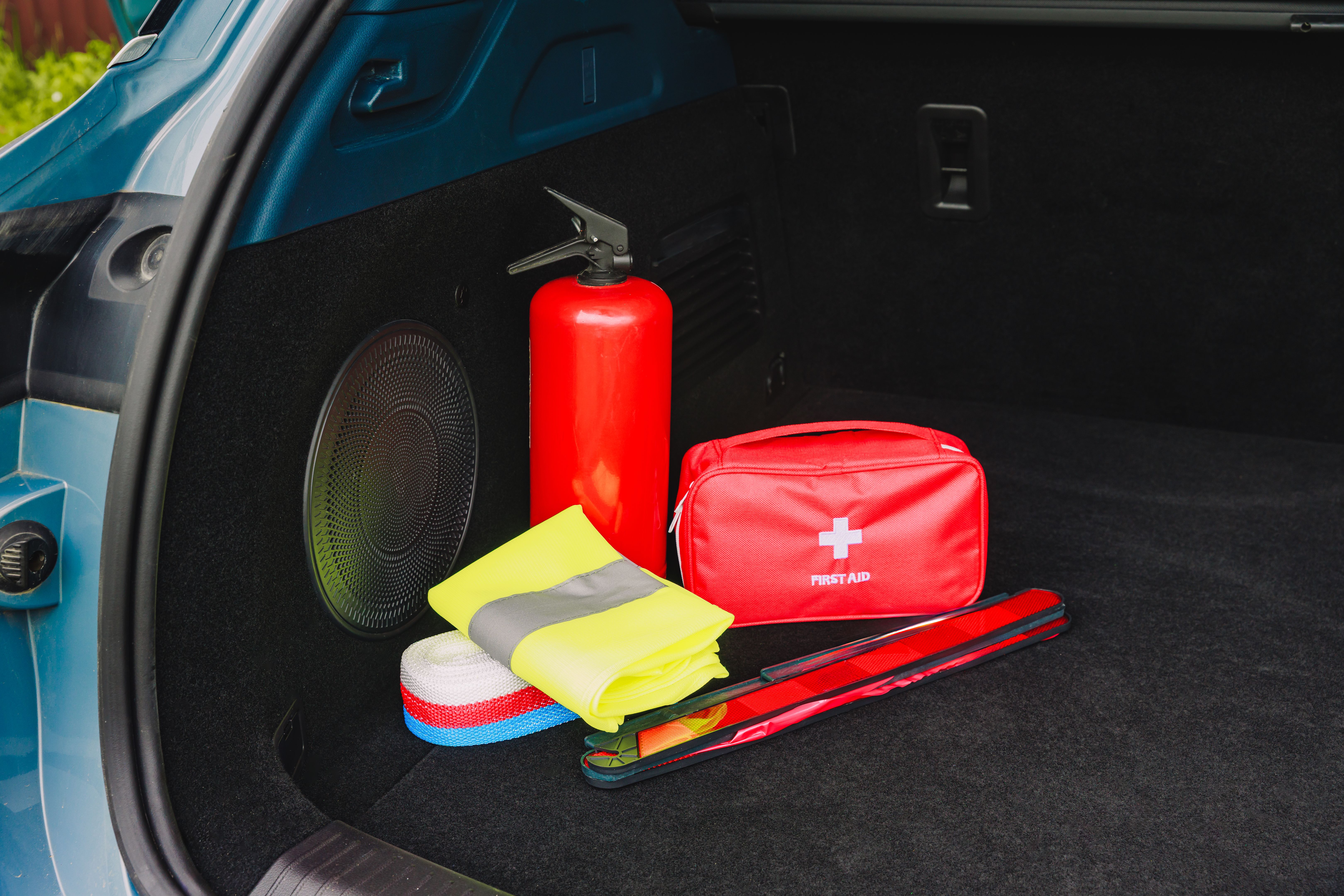
A comprehensive first aid kit is invaluable during your travels. Here's a list of items to consider:
- Band-aids and gauze
- Antiseptic wipes
- Insect repellent
- Hand sanitizer
- Thermometer
Staying Hydrated and Eating Safe
Hydration is key when you're on the go. Always carry a reusable water bottle and refill it whenever possible. In regions where water quality is questionable, opt for bottled water or use purification tablets.
Food safety is equally important. Stick to well-cooked meals, and be cautious with street food. Fruits that you can peel yourself are generally safe options, as are packaged snacks.
Understanding Local Health Risks
Every destination has its unique health challenges. From altitude sickness in mountainous regions to mosquito-borne diseases in tropical areas, understanding these risks can help you prepare effectively. Research the local health advisories and take necessary precautions.

Maintaining Physical and Mental Well-being
Traveling can be physically demanding, so it's important to maintain your fitness levels. Simple exercises like walking or stretching can make a big difference. Additionally, ensure you get enough rest, especially if you're dealing with jet lag or a busy itinerary.
Mental health is just as important. Travel can sometimes be overwhelming, so take time to relax and unwind. Practices like meditation or journaling can help keep stress levels in check.
Insurance and Emergency Contacts
Before you leave, make sure you have comprehensive travel insurance. This should cover medical emergencies, trip cancellations, and any other unexpected events. Keep a list of emergency contacts, including local health services and your country's embassy.
In the event of an emergency, knowing who to contact can make a significant difference in how the situation is handled.
Conclusion
Staying safe and healthy while traveling requires a bit of foresight and planning. By preparing adequately, you can minimize risks and focus on creating unforgettable memories. Remember, the key to a successful trip is not just the destination, but also the journey and your well-being along the way.