Understanding Nutrigenomics: Personalized Nutrition for Optimal Health


What is Nutrigenomics?
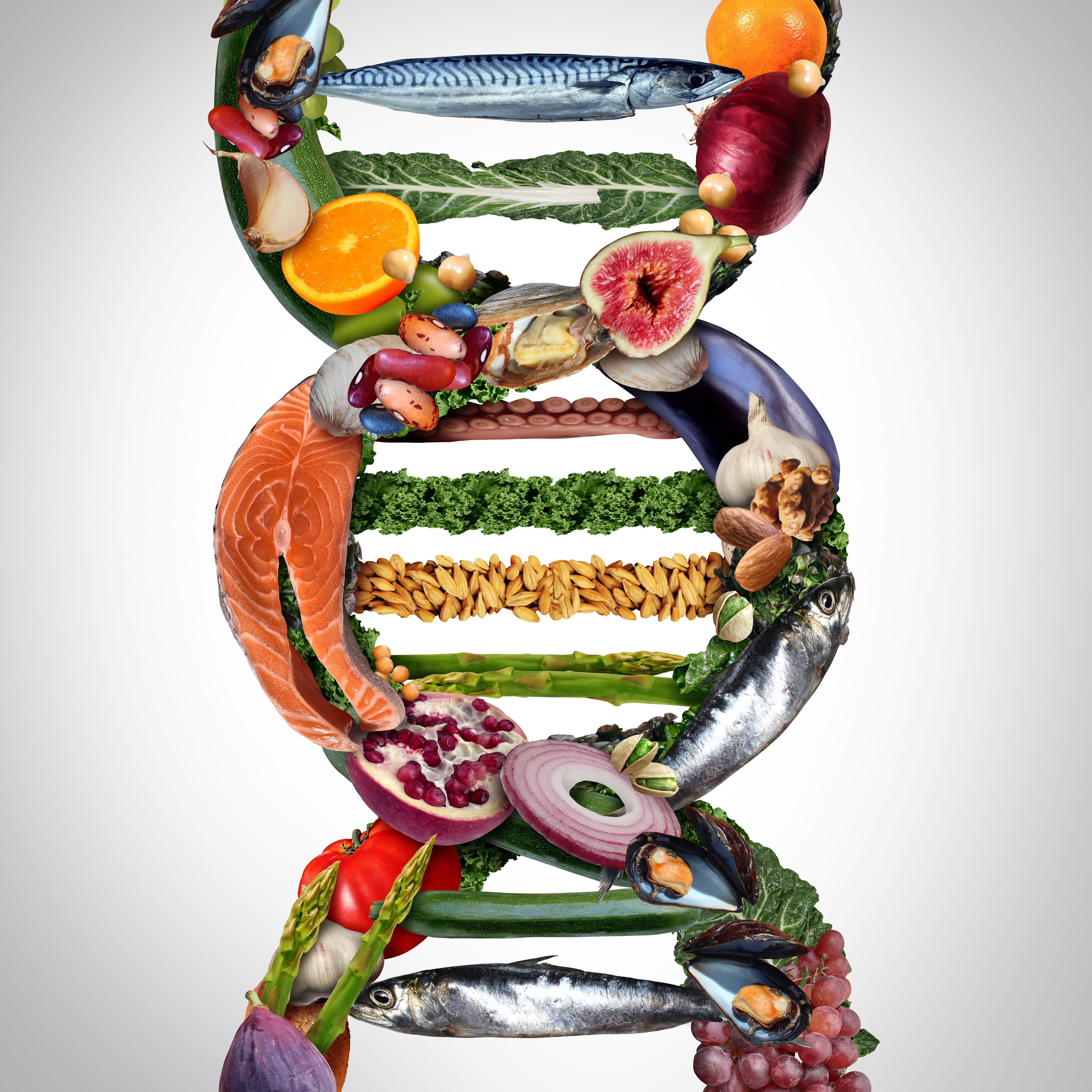
Nutrigenomics is an emerging field of science that explores the intricate relationship between nutrition and genetics. It focuses on how individual genetic variations affect a person's response to nutrients and how this knowledge can be used to create personalized dietary plans. By understanding these interactions, nutrigenomics aims to optimize health and prevent diseases.
This personalized approach to nutrition challenges the traditional one-size-fits-all dietary guidelines. It takes into account that each individual has a unique genetic makeup that influences their nutritional needs and responses to different foods.
The Science Behind Nutrigenomics
At the core of nutrigenomics is the study of genes, which are segments of DNA that carry instructions for the body's functioning. These genes can influence various metabolic processes, including how the body metabolizes and utilizes nutrients. By examining these genetic markers, scientists can determine how specific nutrients impact health.
Researchers use advanced technologies such as genome sequencing and bioinformatics to analyze genetic data. This allows them to identify specific gene-nutrient interactions and develop tailored nutritional recommendations.
Benefits of Personalized Nutrition
Personalized nutrition offers several benefits, including:
- Optimized Health: Tailored diets can enhance overall well-being by meeting individual nutritional needs.
- Prevention of Chronic Diseases: By understanding genetic predispositions, nutrigenomics can help reduce the risk of conditions like diabetes, obesity, and heart disease.
- Enhanced Athletic Performance: Athletes can benefit from customized diets that align with their genetic profiles, improving performance and recovery.

How to Get Started with Nutrigenomics
Embarking on a nutrigenomics journey typically begins with a genetic test. These tests, often available through healthcare providers or specialized companies, analyze DNA to identify genetic variations related to nutrition. The results provide insights into how your body responds to different nutrients.
Once genetic data is obtained, a nutritionist or healthcare professional can develop a personalized nutrition plan. This plan may include specific dietary recommendations, lifestyle changes, and supplements tailored to your genetic profile.
Challenges and Considerations
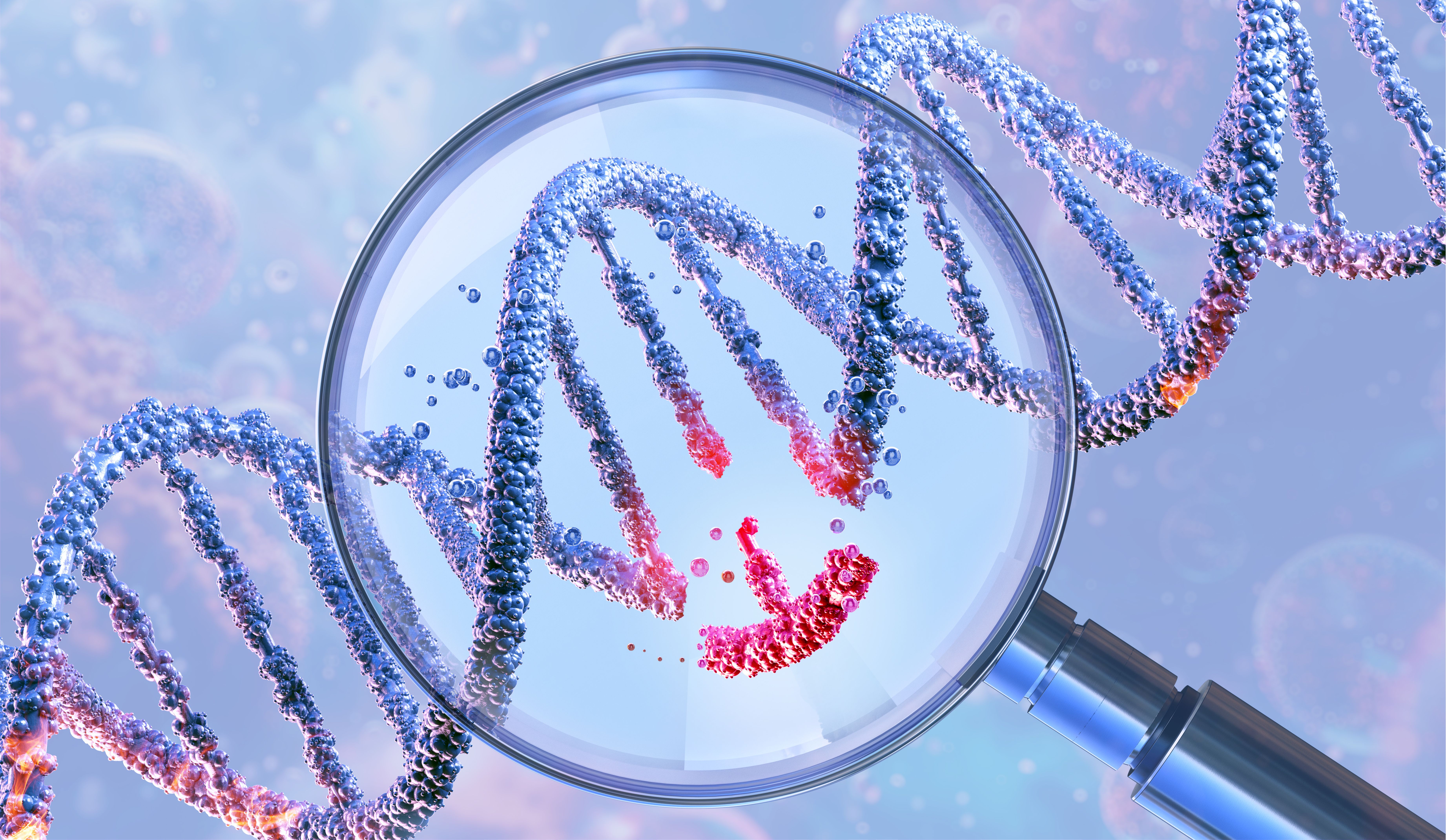
Despite its potential, nutrigenomics faces several challenges. The complexity of genetic interactions means that more research is needed to fully understand the implications of gene-nutrient relationships. Additionally, ethical considerations regarding genetic privacy and the accessibility of genetic testing must be addressed.
Moreover, while personalized nutrition holds promise, it should complement, not replace, general healthy eating principles. A balanced diet rich in whole foods, fruits, and vegetables remains essential for overall health.
The Future of Nutrigenomics
The field of nutrigenomics is rapidly evolving. As research advances, the ability to tailor dietary recommendations based on genetic insights will likely become more precise and accessible. This could revolutionize how we approach nutrition and health, paving the way for a future where personalized diets are the norm.
In conclusion, nutrigenomics offers an exciting glimpse into the future of nutrition. By aligning dietary strategies with genetic information, it holds the potential to enhance health, prevent disease, and improve quality of life for individuals worldwide.